Blog
The Origins of Malaysian Curry and the Unique Flavours of Chinese, Indian, and Malay Curries
Malaysia is a multicultural country, home to Malay, Chinese, and Indian communities whose food cultures have blended over centuries. Among the many shared dishes, curry stands out as one of the most iconic.
In Malaysia, curry is more than just a dish—it’s a cultural symbol. Introduced from India to Southeast Asia, it has evolved over hundreds of years into a unique local flavour, with each ethnic group developing its own signature style and taste.
History and Origins of Curry
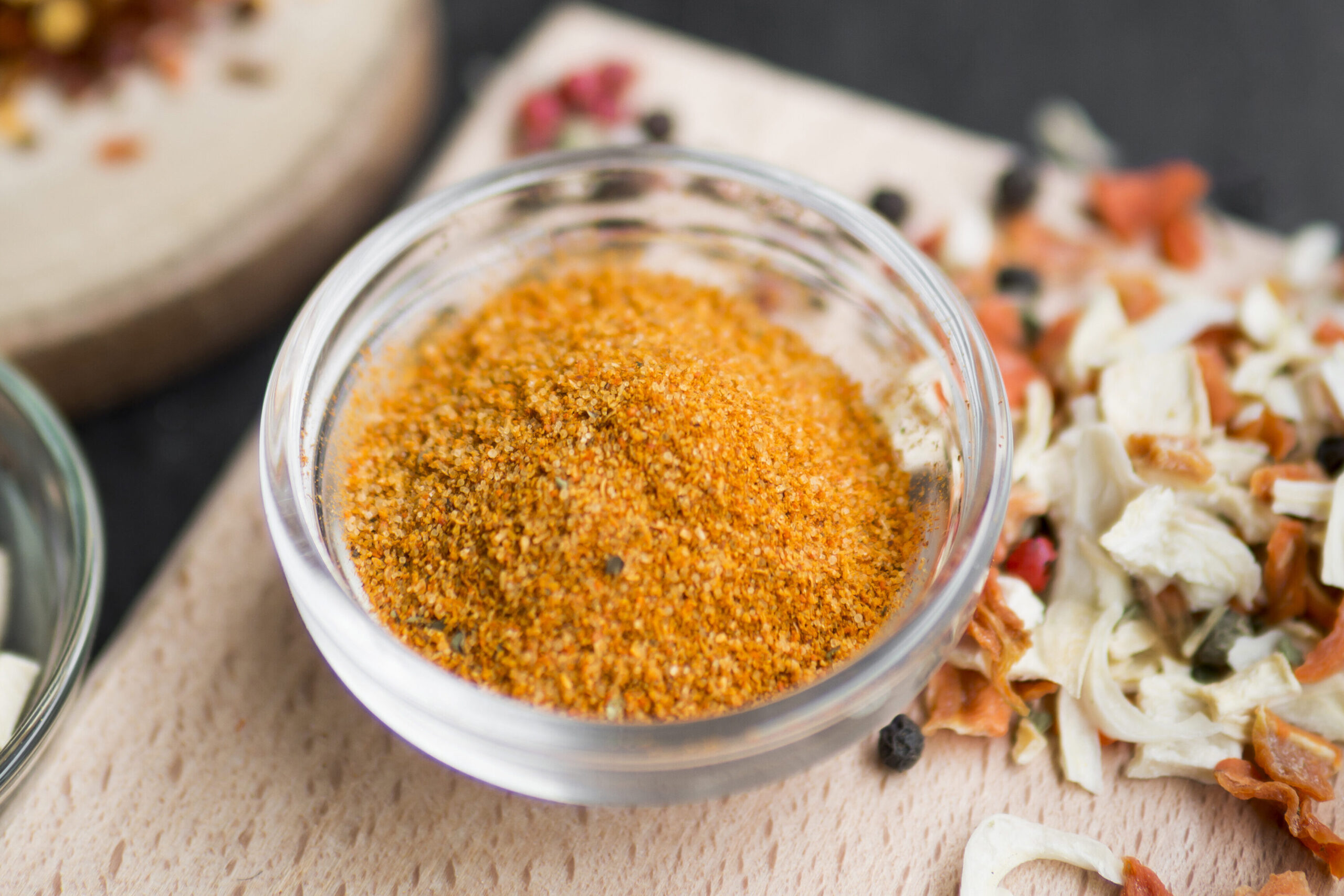
Curry originated in the Indian subcontinent, traditionally made with a blend of spices, chillies, turmeric, and other seasonings, cooked into a rich sauce with meat, fish, or vegetables.
Through maritime trade and waves of migration, curry made its way to the Malay Archipelago, where Malays, Chinese, and Indians adapted it to local ingredients and tastes—creating the distinct varieties we enjoy today.
The Three Main Ethnic Curry Styles in Malaysia
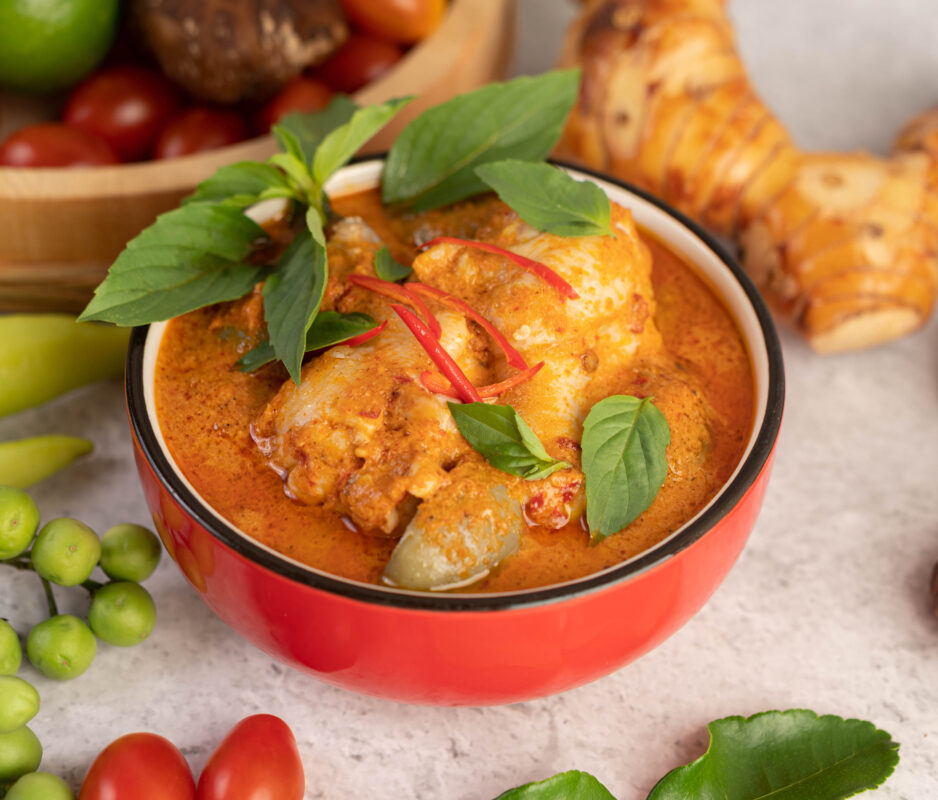
1. Chinese Curry
- Common ingredients: Pork, chicken, fish, seafood, sometimes with potatoes, fried tofu puffs, and long beans.
- Flavour profile: Milder and moderately spicy, focusing on fragrance and a thick, rich sauce.
- Base: Some versions use coconut milk for a creamier texture, while others skip it for a lighter broth.
- Examples: Pork curry, fish head curry, chicken curry.
2. Indian Curry
- Common ingredients: Chicken, mutton, beef, fish, paired with aromatic spices such as cumin, coriander powder, cinnamon, cloves, and cardamom.
- Flavour profile: Intense spice aroma, higher heat level, and deeper colour.
- Base: Some recipes use milk or yoghurt for a creamy richness instead of coconut milk.
- Examples: Mutton curry, chicken masala, fish curry.
3. Malay Curry
- Common ingredients: Chicken, beef, fish, squid, with herbs like lemongrass, turmeric leaves, and galangal.
- Flavour profile: Strong aromatic spices with a sweet, creamy coconut flavour, medium to high spiciness.
- Base: Typically enriched with thick coconut milk (santan) for a smooth, velvety texture.
- Examples: Kari Ayam (chicken curry), Rendang Kari (beef curry).
Coconut Milk vs Milk vs No Dairy: What’s the Difference?
| Base | Flavour Profile | Texture |
|---|---|---|
| Coconut milk | Rich, aromatic, with tropical sweetness | Smooth and creamy |
| Milk | Gentle dairy flavour, milder taste | Silky and smooth |
| No dairy | Spice flavours more pronounced, spicier | Lighter consistency |
Some curries are simmered until the sauce thickens and the spices fully dissolve, giving a richer taste; others retain more broth, making them perfect for drizzling over rice.
Papa Chef’s Curry and Retort Technology
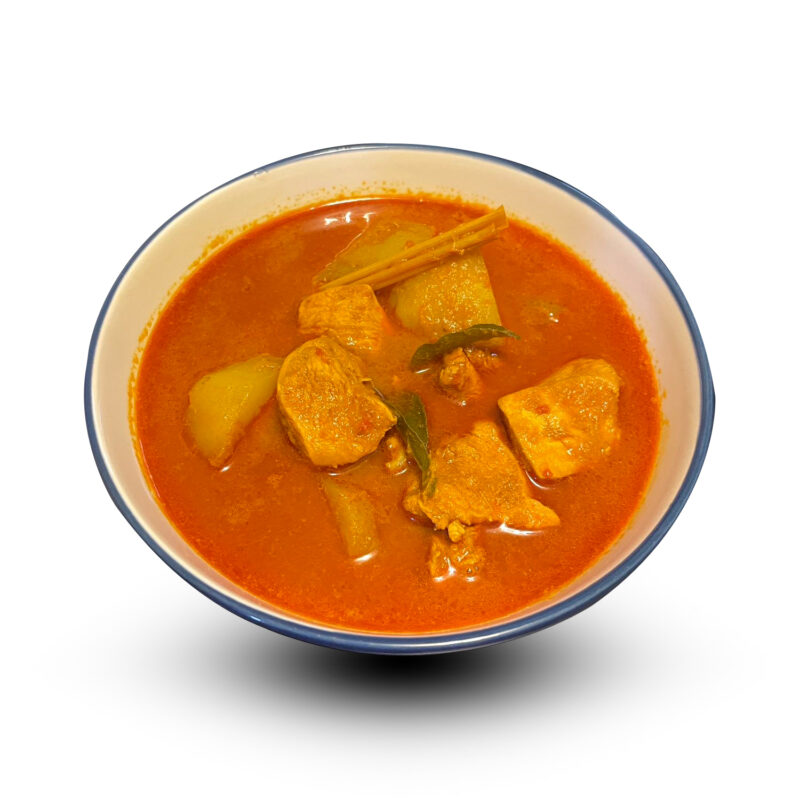
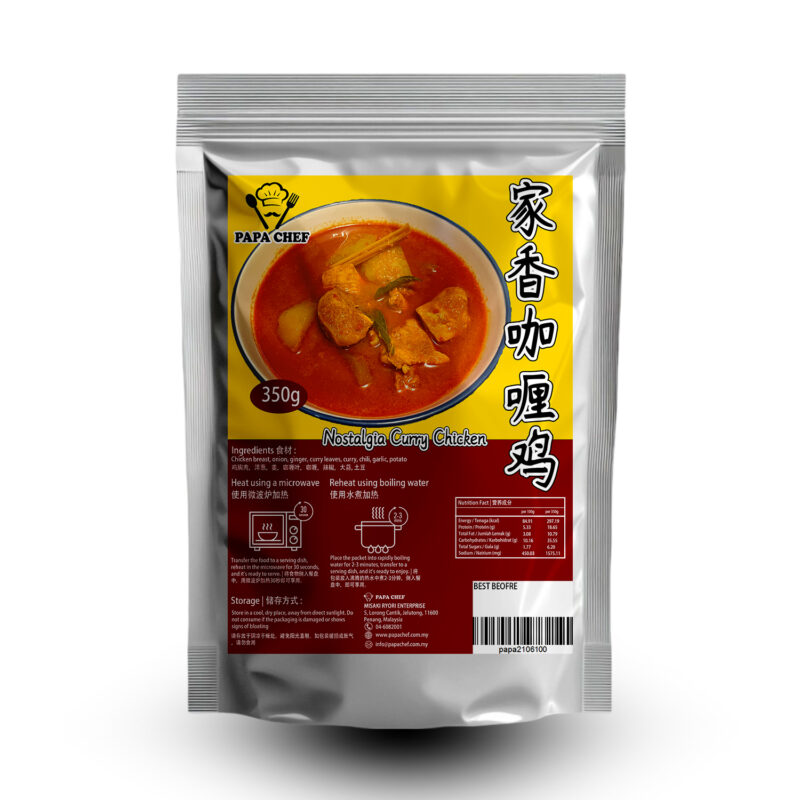
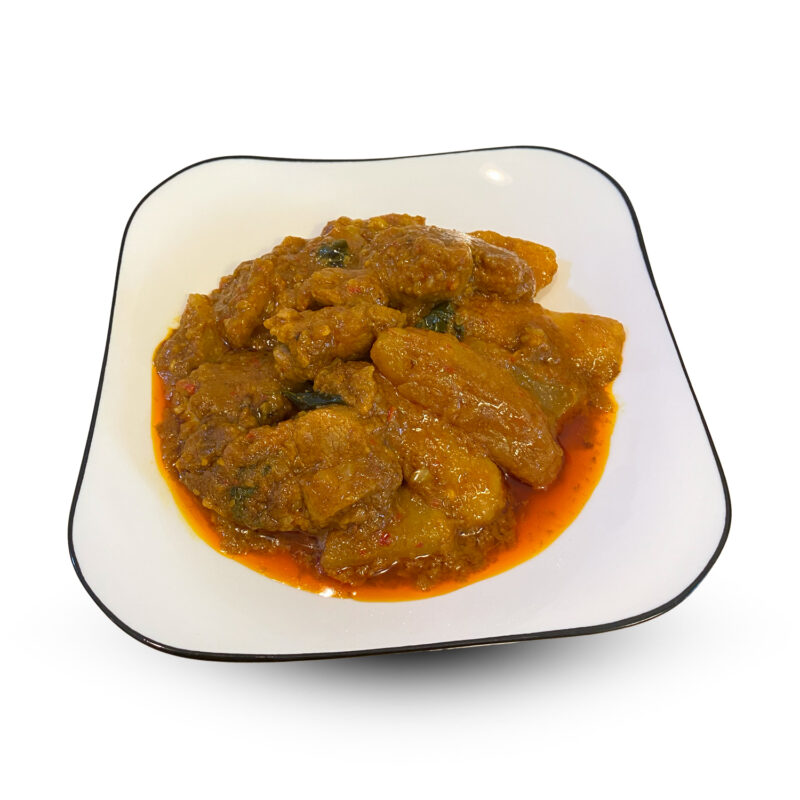
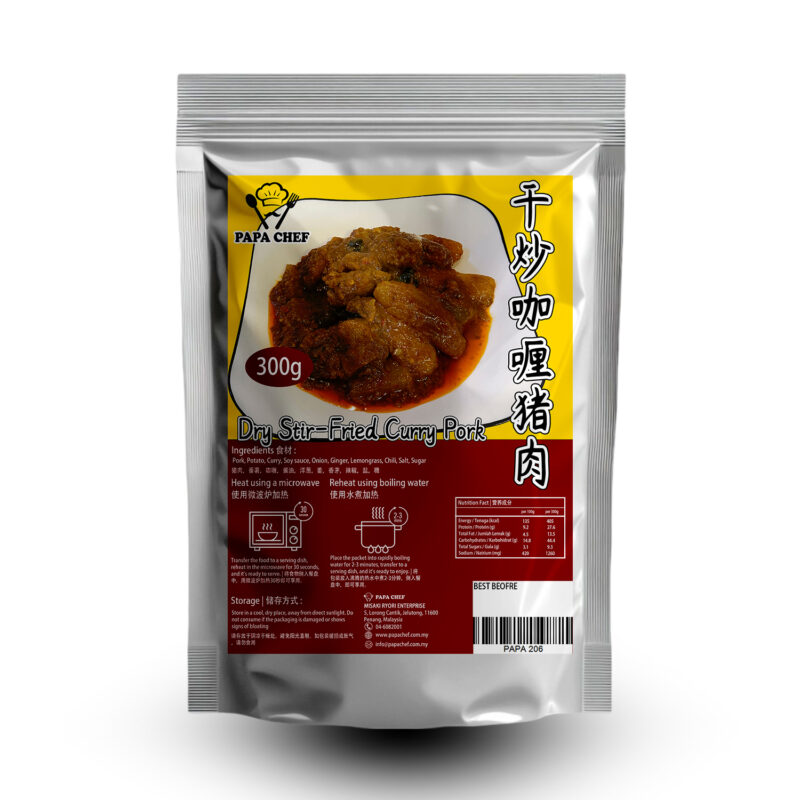
At Papa Chef, we combine traditional recipes with modern food technology to create authentic Malaysian curry in retort-ready meals:
- No preservatives – Using high-temperature, high-pressure sterilisation (121°C), we keep our curry safe for up to 12 months at room temperature—without adding any preservatives.
- Original taste preserved – Even after retort processing, our curry retains its aromatic spice profile and rich flavour, with minimal difference from freshly cooked curry.
- Convenient to enjoy – Just heat for 3 minutes and savour authentic Malaysian curry at home.
Order Here
👉 Click here to view Papa Chef curry products